Aerial view of the platte river
2021-2022
PRRIP Biennial Report

This report contains a high-level summary of the activities and accomplishments of the Platte River Recovery Implementation Program during 2021 and 2022.

Our Focus Areas

Program Components

From flowing water to healthy lands to adaptive strategies, these three components form the foundation of the Program. By working together, they keep the Platte River resilient in the face of changing conditions.
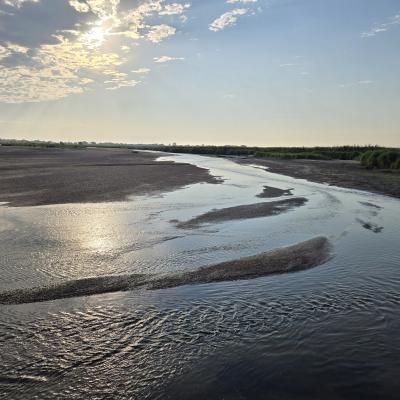
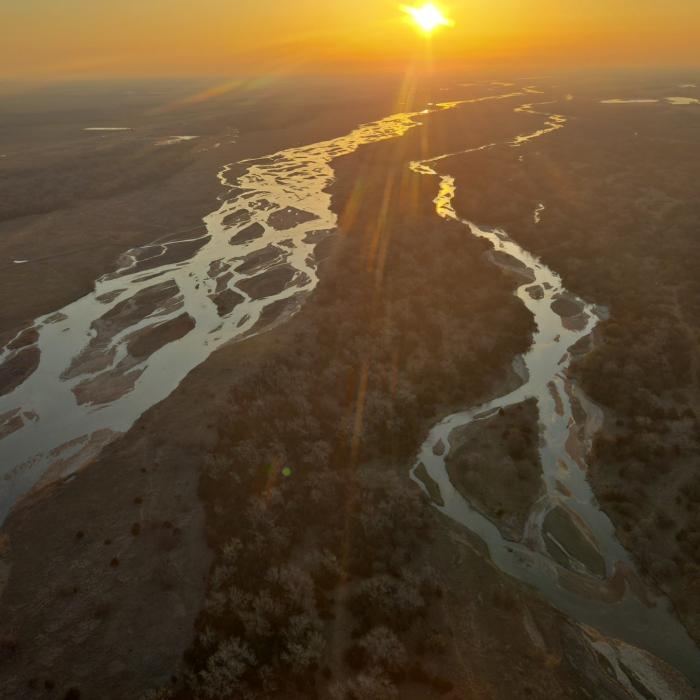
Shallow braided channels lit by morning sun on the Platte River.

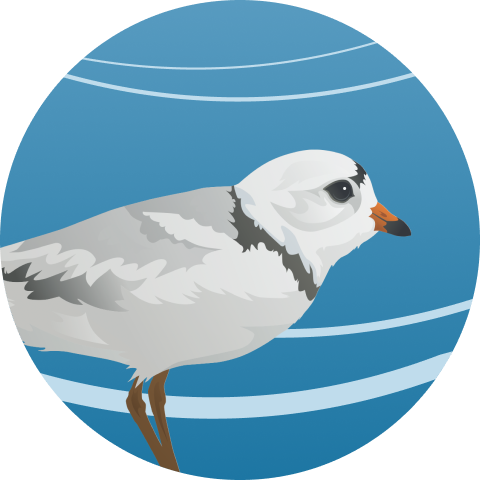
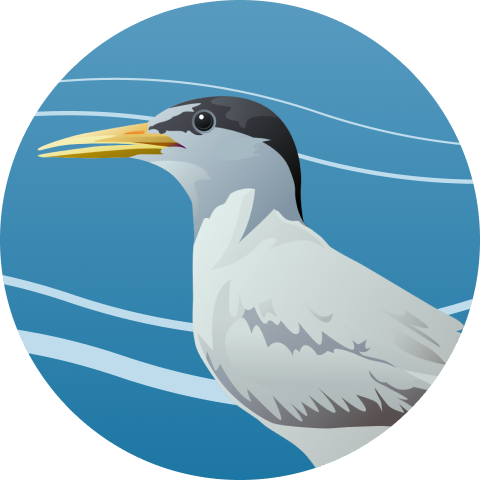
The Program uses incentive-based water projects to keep enough water flowing through the central Platte River to support habitat for target species. In this first phase, the focus is on improving flow timing and reducing shortages by about 130,000 to 150,000 acre-feet each year. Spring pulse flows also help create open sandbars, giving plovers and terns the bare nesting areas they need.

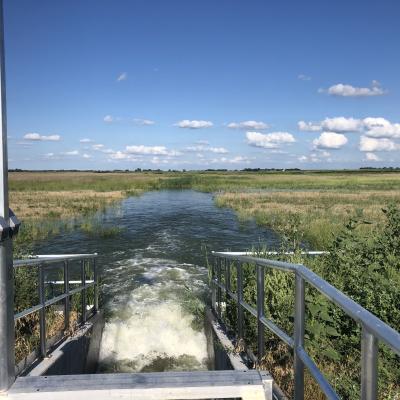
Water flowing beneath a metal access platform and hydraulic control structure beside tall grasses.

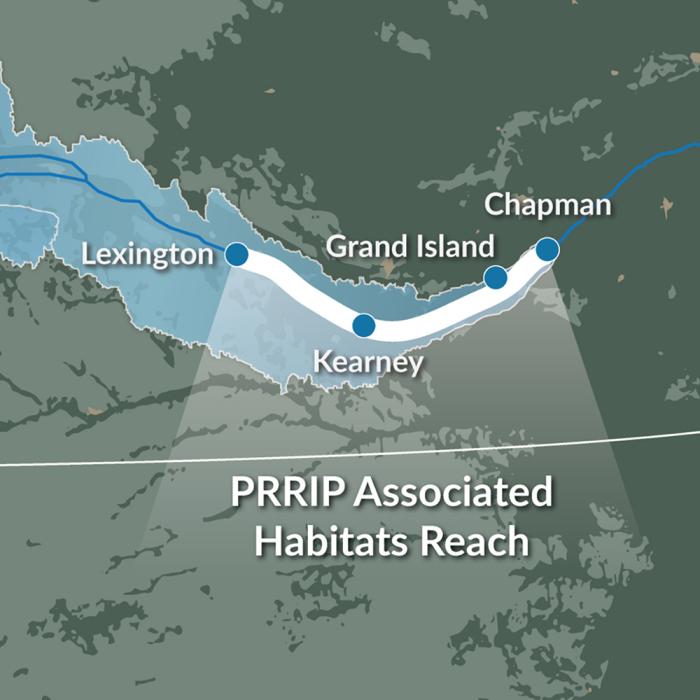
The Program’s first step is to protect and restore 10,000 acres of habitat. Over the long term, the goal is to grow that number to about 29,000 acres along the central Platte River between Lexington and Chapman. Acres protected now, along with qualifying lands managed by partners like conservation groups and irrigation districts, all count toward this shared vision.

Water released from a metal control gate spreads across a grassy wetland under a blue sky.

The Program relies on an Adaptive Management Plan —a science-based process for testing ideas and learning what works best. Developed with input from partners, cooperators, and experts nationwide, the plan focuses on key questions about how the river functions and how to most effectively reach Program goals.